
Pre-Purchase Building & Pest Inspection | Perth
Make confident property decisions with clear, impartial reporting.
Standard Package
Includes:
- Safety hazards
- Structural defects
- RCD and smoke detectors
Premium Package
Includes:
- Gas & plumbing
- External structures
- Fixtures
Why a Pre-Purchase & Pest Inspection Matters?
Buying a property is one of your biggest investments. Independent building and timber pest inspections help you:
Identify major structural defects and safety hazards before you buy.
Detect active termites, wood borer, and fungal decay (rot), plus conditions conducive to attack.
Budget for repairs and negotiate with facts (price adjustments or rectifications).
Comply with contract clauses that make the sale subject to satisfactory inspections.
Perth note: Our climate and sandy soils can be conducive to subterranean termites. Early detection and moisture management are essential in WA.
What’s Included
Building Inspection (Pre Purchase)
A visual, non-invasive assessment of readily accessible areas to identify major defects, moderate defects, and important maintenance items across:
- Exterior: walls, cladding, lintels, eaves, fascias, gutters, downpipes, decks, balconies.
- Interior: walls, ceilings, floors, doors/windows, wet areas (bathrooms, laundry, kitchen).
- Roof exterior: covering, flashings, valleys, penetrations.
- Roof space: structure, insulation, sarking, signs of leaks.
- Subfloor (if applicable): structure, ventilation, dampness, termite shielding.
- Site: drainage, retaining walls, outbuildings, paving, surface water management.
Typical findings may include: cracking, differential settlement indicators, moisture staining, inadequate waterproofing/ventilation, corrosion, timber decay, safety issues (e.g., balustrade height), and non-compliant or poor-quality workmanship.
Timber Pest Inspection
Focused on the presence or evidence of:
- Termites (especially subterranean), timber borers, wood decay fungi.
- Conducive conditions: poor drainage, plumbing leaks, high soil levels, garden beds against walls, timber-to-ground contact, inadequate subfloor ventilation, bridging/ breaching of termite barriers.
Tools commonly used (non-destructive):
- Moisture meter, thermal camera (as screening tool), sounding/ probing tools, flashlight/ mirror, hygrometer.
If warranted, we can discuss invasive investigations (drilling, removal of finishes) under a separate agreement.
The Inspection Process
1. Booking & Access
We coordinate with agents/owners; you’re welcome to attend near the end for a walkthrough.
2. On Site Assessment
Systematic, visual inspection of accessible areas.
3. Pest Scan
Moisture/thermal screening, sounding, and targeted checks for timber pests and conducive conditions.
4. Findings Discussion
Verbal summary on site (where possible).
5. Written Reports
Clear, photo‑rich reports delivered same day or next business day.
6. Post Report Call
We answer your questions and discuss repair priorities and next steps.
What You Receive:
Two reports (Building & Timber Pest) with:
- Executive summary and traffic light risk ratings.
- Photo annotations, defect descriptions, likely causes, and implications.
- Recommended rectifications and maintenance priorities.
- Pest findings, conducive conditions, and treatment/monitoring recommendations.
Action list you can share with your conveyancer, broker, or builder.
Scope, Limitations & Assumptions (Important)
Visual Inspections:
Inspections are visual and non-invasive. We don’t move heavy furniture, lift carpets/tiles, or dismantle finishes.
No Compliance Certification:
We do not certify compliance with codes; findings indicate condition and risk at the time of inspection.
Specialist Assessments:
Specialist assessments (e.g., electrical, plumbing, asbestos, pool compliance, structural engineering) are outside scope unless separately engaged.
Inaccessible Areas:
Areas inaccessible due to height, physical obstructions, or safety may be excluded (documented in the report).
Weather Conditions:
Weather on the day (e.g., dry vs. wet) can influence moisture readings and detection.
Standards & Compliance (Australia)
Our pre‑purchase building inspections are undertaken in accordance with AS 4349.1—2007 (Inspection of buildings – Pre‑purchase inspections – Residential buildings), as a visual, non‑invasive inspection of the areas made safely accessible at the time of inspection.
Our timber pest inspections are undertaken in accordance with AS 4349.3—2010 (Inspection of buildings – Timber pest inspections), focusing on evidence of termites, timber borers, wood decay fungi, and conditions conducive to timber pest attack.
Any limitations, inaccessible areas, or departures from the above standards due to site conditions or safety will be clearly identified in the report, together with recommendations for further investigation where appropriate.
Common Issues in Perth Properties
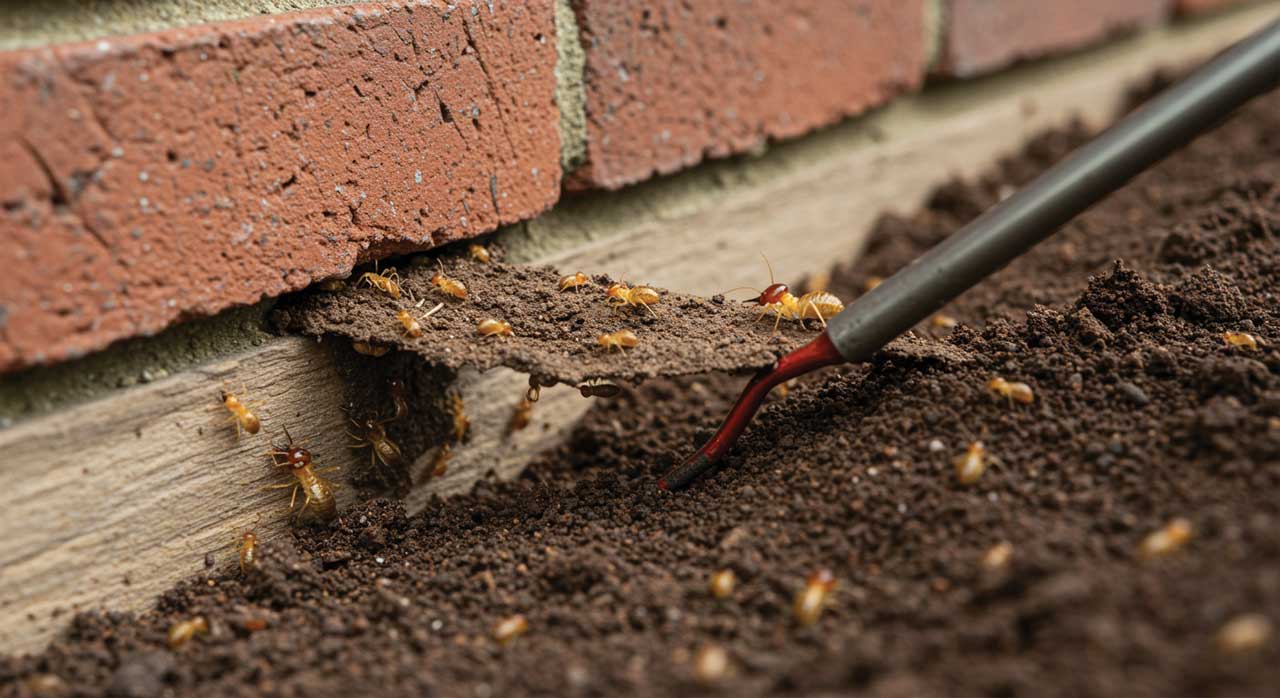
Termite activity in gardens, fence lines, or subfloors; bridging of barriers by paving or soil build-up.
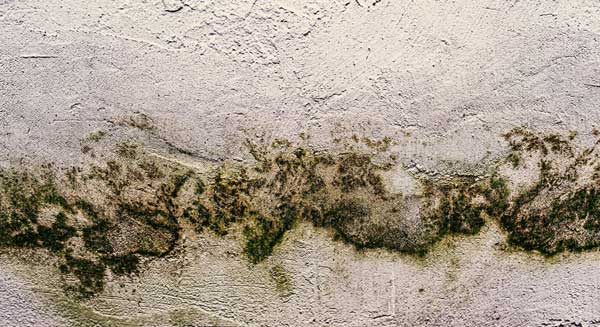
Moisture ingress due to failed flashings, poor falls to drains, or inadequate waterproofing in wet areas.br
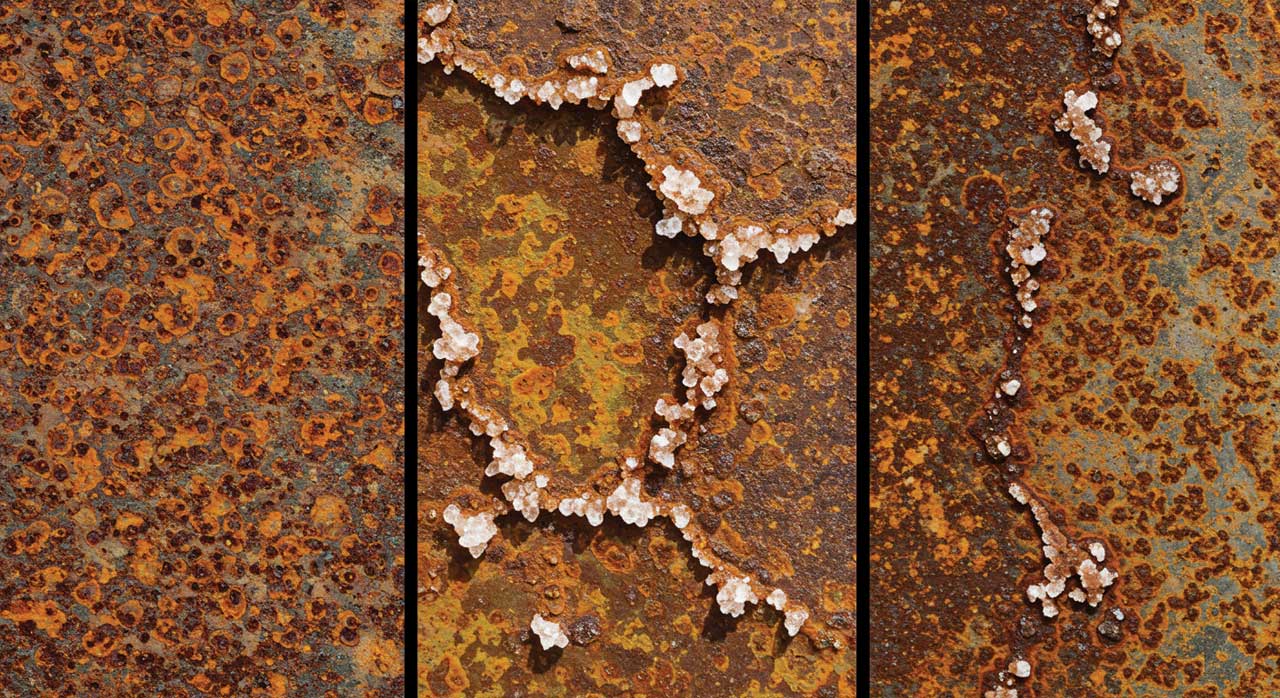
Corrosion to coastal-exposed metalwork and fixings.
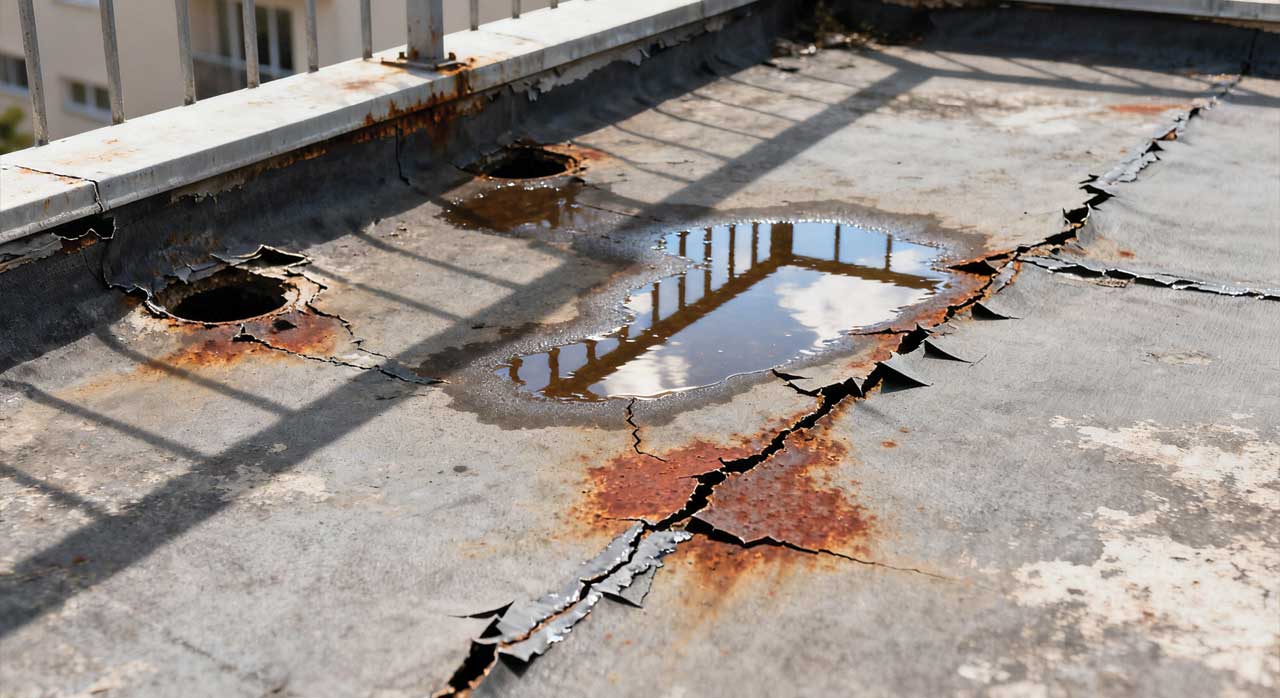
Balcony/roof leaks from aging membranes and penetrations.
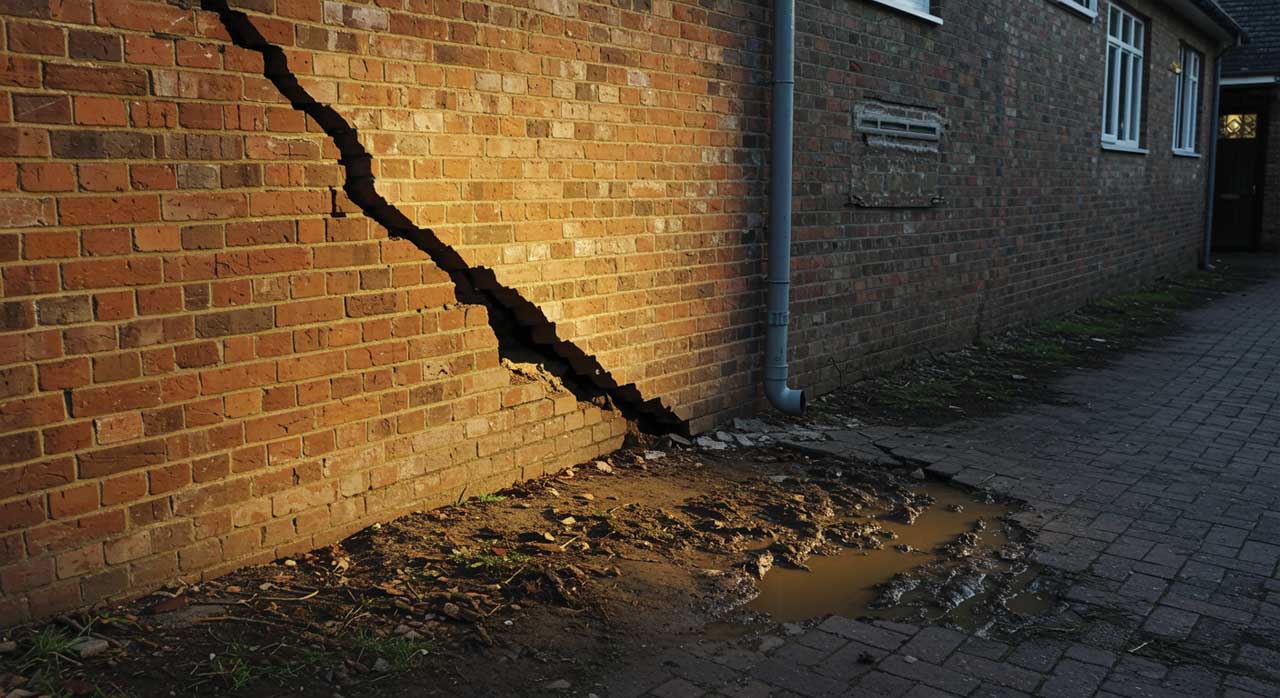
Movement cracking from reactive soils or poor site drainage.
Treatment & Prevention (Pest)
Active Termite Management
Targeted dusting/foaming; colony control via baiting systems.
Barriers
Chemical soil treatments, reticulation recharge, or physical barrier upgrades/repairs.
Habitat Reduction
Fix leaks, improve drainage, maintain ground clearances, remove timber‑to‑soil contact, keep garden beds clear of walls.
Monitoring
regular pest inspections (typically annually; more frequent in high‑risk zones).
We can connect you with licensed pest controllers for quotations on treatments and ongoing monitoring programs.
How To Prepare For An Inspection (Buyers/Sellers)
- Ensure power and water are on for functional checks (where safe and within scope).
- Provide keys/access to roof space, subfloor, garage, outbuildings.
- Clear items blocking hatches, wet areas, and external walls.
- Share any known defects or previous pest treatments and warranties.
Sample Report
Highlights
- Executive summary with risk ranking
- Photo annotations and before/after recommendations
- Moisture map excerpts (where relevant)
- Termite/pest activity and conducive conditions
- Prioritised action plan with budget order-of-magnitude guidance
Frequently Asked Questions
Q: How long does it take?
A typical house takes 2–3 hours on site; larger/complex properties take longer.
Q: Can I attend?
Yes—many clients join for a walkthrough at the end.
Q: What if live termites are found?
We’ll highlight locations, urgency, and next steps, and can introduce licensed controllers for treatment quotes.
Q: Do you check strata/common property?
We inspect the lot you’re purchasing and the areas we can legally access; we recommend reviewing recent strata pest and building reports and the strata records.
Q: Will you estimate repair costs?
We provide budget ranges for planning purposes; obtain trade quotes before final decisions.
Book Your Inspection
Ready to move forward with confidence?
Phone
0405 226 668
Service Area
- Perth metro & surrounds
Hours
- Mon–Sat, priority slots available during finance periods
Send us the address, property type, preferred times, and any specific concerns. We’ll confirm access with the agent and lock in your report delivery timeframe.
Disclaimers
This service provides condition reports to assist decision‑making. It is not a compliance certificate or warranty. Recommendations are general; engage qualified trades for quotes and repairs. If structural adequacy is a concern, a structural engineer’s assessment is recommended.